 By WPGossip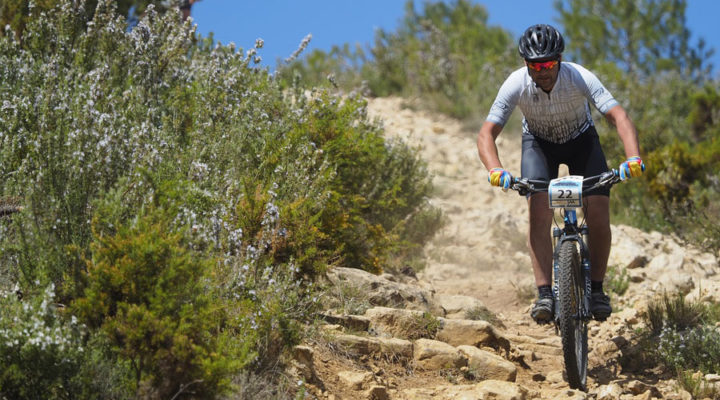
Gravel biking, often referred to as gravel cycling, is a rapidly growing cycling discipline that combines aspects of both road biking and mountain biking. In the opinion of Steven Rindner, it involves traveling across a variety of unpaved surfaces, including dirt roads, gravel tracks, forest paths, and rural trails. This style of cycling allows riders to venture beyond heavily trafficked roads and discover remote landscapes, making it an appealing option for cyclists seeking adventure and exploration.
Steven Rindner Provides an Introduction to the Key Fundamentals of Gravel Biking
Unlike traditional road cycling, which is largely confined to paved streets, highways, and urban routes, gravel biking is designed for versatility. Gravel bikes are built to handle diverse terrain, enabling cyclists to transition seamlessly between pavement and off-road surfaces. One of the most attractive aspects of gravel biking is the reduced interaction with motor vehicles, creating a quieter and often safer riding experience.
Gravel biking generally requires greater physical effort than road cycling due to the unpredictable nature of off-road terrain. Loose gravel, dirt, mud, and uneven surfaces reduce traction and increase rolling resistance, forcing riders to exert more energy to maintain speed and control. Unlike road cycling, where the lower body performs most of the work, gravel biking engages multiple muscle groups. Riders frequently rely on their arms, shoulders, and core muscles to stabilize the bike over rough surfaces. The constant need to absorb shocks and maintain balance transforms gravel riding into a more complete full-body workout.
Gravel routes can vary dramatically in difficulty. Some consist of smooth, rolling paths, while others feature steep climbs, technical descents, loose rocks, and rugged landscapes. These varying conditions require riders to remain alert and adapt their riding style continuously throughout the journey.
As per Steven Rindner, success on gravel roads depends heavily on choosing the right equipment. Proper bike setup enhances comfort, improves handling, and reduces the likelihood of mechanical issues during long rides. Gravel cyclists typically use wider tires than those found on standard road bikes. Gravel-specific tires feature deeper tread patterns that provide improved grip and stability on loose or uneven surfaces. Their increased width also helps absorb shocks and improves overall ride comfort. Many gravel enthusiasts prefer tubeless tire systems because they allow riders to use lower tire pressures without increasing the risk of pinch flats. Moreover, the sealant inside the tires can automatically repair small punctures, minimize interruptions and improve reliability during long-distance rides.
Mastering gravel riding requires more than just the right equipment. Proper body positioning and handling skills play a crucial role in maintaining control and efficiency on challenging terrain. When encountering rough or uneven sections, riders often move into a neutral standing position with their feet level and their weight slightly lifted from the saddle. This technique enables the arms and legs to function as natural suspension systems, absorbing impacts and improving stability. During extended stretches of bumpy terrain, cyclists benefit from keeping their elbows relaxed and slightly bent while hovering just above the saddle. This posture allows the body to absorb vibrations more effectively and helps maintain better control of the bike.
 sysnet